Biohazard Cleanup
Contaminated materials removed, surfaces disinfected, odor treated and waste hauled away from your property.
Learn more →New York · Suffolk County
Found a biohazard problem in Calverton, NY? Call (877) 812-4220 and describe what happened. You get biohazard removal, decontamination and odor control, and the steps and the cost range are explained once the details are known.
If anyone is in danger, call 911 first. For a suicide crisis, call or text 988.
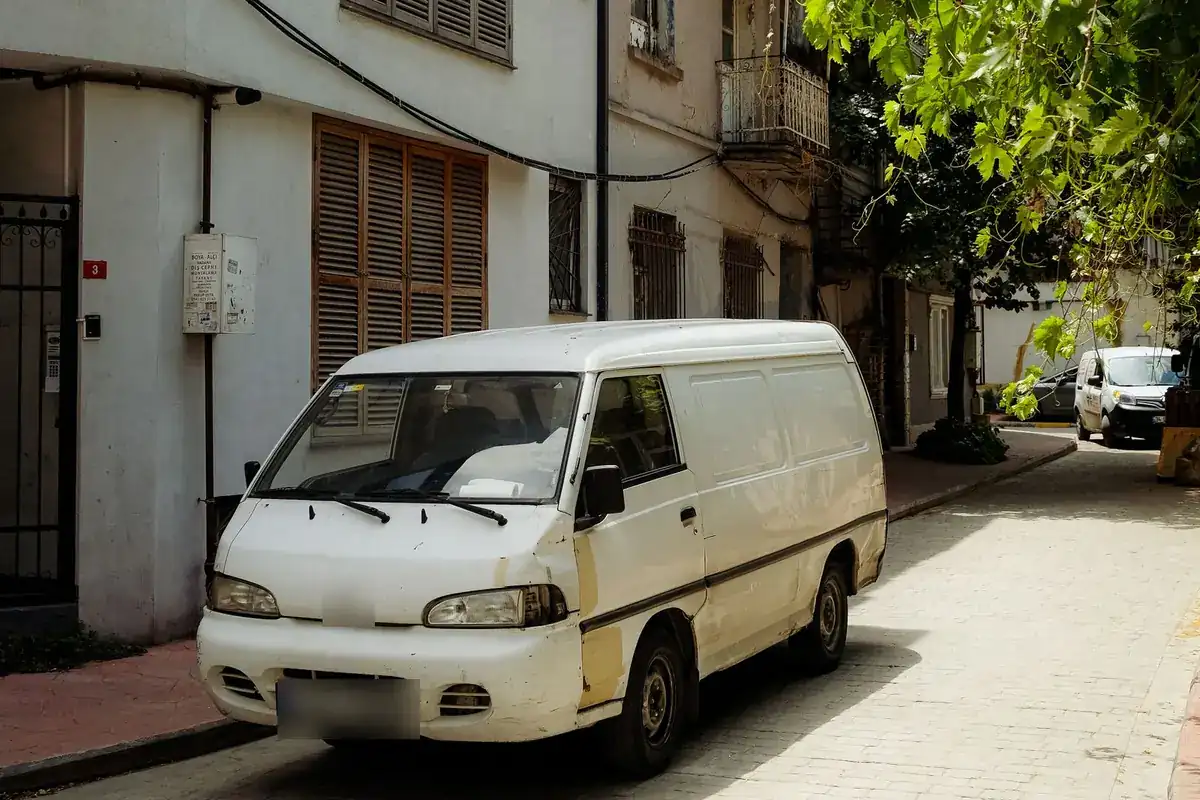
Biohazard cleanup is the professional removal, cleaning and disinfection of blood, bodily fluids, decomposition, sewage and other infectious materials after a death, crime, accident or illness. In Calverton, you can get this local biohazard cleaning for homes, apartments, rental properties, churches, businesses and vehicles.
Calls are answered day and night, and crews arrive in unmarked vehicles so the work stays private. The cleanup team seals off the area, removes what cannot be saved, disinfects what can and carries away the waste. Service covers Calverton and nearby communities such as Wading River and Baiting Hollow.
The vacancy rate in Suffolk County is 12%, above the New York average. Empty houses can sit unchecked, so sewage, animal waste, rodents and damage can build up unseen. Older adults make up about 43% of residents in Calverton, above the New York average, so families here more often face estate cleanouts and death cleanup after a loved one passes.
Protective equipment is the first thing a crew puts on and the last thing it takes off. Respirators, gloves, face protection and disposable suits keep technicians safe, and OSHA's Bloodborne Pathogens Standard (29 CFR 1910.1030) is the guide for how it is used.
Real decontamination reaches what the eye cannot see. Fluids travel under flooring and into baseboards, so crews check beneath and behind surfaces, remove affected materials and disinfect the exposed area before odor treatment begins.
Below are the cleanup services you can get in Calverton, grouped by what happened: death and trauma, waste and hoarding, disease and drugs, and property cleanouts.
Contaminated materials removed, surfaces disinfected, odor treated and waste hauled away from your property.
Learn more →Blood, bodily fluids and residue removed and disinfected after law enforcement releases the scene.
Learn more →Trauma and crime scene cleanup for homes, workplaces and vehicles, handled privately with protective gear.
Learn more →Cleaning, disinfection and odor removal after a death that was not found right away.
Learn more →Suicide scene cleanup for homes, apartments and vehicles, handled quietly and with care.
Learn more →Homicide cleaners remove contaminated materials, disinfect every affected surface and prepare records for insurers.
Learn more →Blood in cars, vans and rideshare vehicles cleaned from seats, mats and panels, then disinfected.
Learn more →Commercial feces cleanup and body fluid cleaning for restrooms, shops, schools and care sites.
Learn more →Human feces and urine cleanup in homes, rentals and workplaces, with disinfection and odor treatment.
Learn more →Decomposition odor removal that treats flooring, walls and air after an unattended death.
Learn more →Safe pathways, careful sorting and deep cleaning for homes with heavy buildup of belongings.
Learn more →Trash, donation and recycling hauled out of crowded homes, followed by a thorough clean.
Learn more →Ammonia odor, urine and feces cleaned from floors, walls and air after animals are removed.
Learn more →Crews haul away trash and soiled items, then deep clean and sanitize the home.
Learn more →Raw sewage removal, tear-out of soaked materials and full disinfection after a backup or overflow.
Learn more →Biohazard decontamination after outbreaks, with protective gear, set order of work and sealed disposal of waste.
Learn more →Biohazard remediation that removes soaked materials, treats odor and documents each step of the work.
Learn more →Safe collection of used needles, syringes and contaminated supplies, with proper containers and transport.
Learn more →Used needle removal and property sweeps for yards, rentals, vacant buildings and businesses.
Learn more →Discreet drug residue cleanup for rentals, homes, hotels and businesses, with protective gear throughout.
Learn more →Clear steps for owners who suspect meth contamination, from first sample to final report.
Learn more →Fentanyl residue removal with protective gear, soft material removal and proper disposal.
Learn more →Chemical spill cleanup with containment, decontamination and records for insurers, buyers and inspectors.
Learn more →Cleanup that begins once responders clear the scene, with records for insurers, owners and inspectors.
Learn more →Pepper spray cleanup that lifts oily residue from surfaces without spreading it to clean rooms.
Learn more →Hantavirus-aware cleanup for cabins, sheds, barns and homes with HEPA-filtered equipment and disinfection.
Learn more →Removal of insulation soaked with guano, plus odor treatment and sanitizing of the structure.
Learn more →Carcass cleanup of fluids and soaked insulation, carpet and drywall that cannot be saved.
Learn more →Biohazard car detailing after an accident, a crime or a medical emergency in or near the cabin.
Learn more →Injury scene cleaners remove soaked materials, treat odor and prepare records for employers and insurers.
Learn more →Workplace biohazard cleanup that contains the area, removes contamination and documents the work for insurers.
Learn more →Estate cleanout after a death, handled step by step at the family's pace.
Learn more →The first step is deciding what is unsafe and how far the contamination goes. Hazards such as sharps, broken glass or sewage are noted before anyone starts.
The crew takes photos and notes of the affected areas and the work done. Homeowners insurance companies, landlords and compensation programs often ask for these records.
Contaminated materials come out, surfaces are cleaned and disinfected, and the waste is packed for lawful disposal.
When the job is done, the family receives the paperwork they need for claims and a clear description of what was removed and treated.
Cleanup covers houses, apartments, rentals, offices, churches, shops and cars or trucks, with plans that fit each type of property.
Property managers get clear records, quick coordination on access and a cleaned unit ready for repairs and the next tenant.
Local help in Calverton, Riverhead and nearby towns means crews know the area, local police and the way homes in the region are built.
Death odor and sewage smell are treated with air scrubbers and hydroxyl or ozone equipment, not masked with sprays that fade.
Biohazard cleanup in Calverton, NY typically costs $500 to $25,000, depending on the type of biohazard, the size of the affected area and how far fluids soaked into porous materials.
Most residential jobs cost $3,000 to $5,000 (Fixr). Biohazard cleanup costs depend on the type of biohazard, the size of the affected area and how far fluids soaked into porous materials. Pricing is set after an on-site assessment, and homeowners insurance often covers a large share.
| Type of job | Typical range |
|---|---|
| Blood spill cleanup, small area | $500 - $2,500 |
| Crime scene cleanup, most homes | $1,500 - $7,500 |
| Unattended death cleanup | $2,000 - $7,000 |
| Suicide cleanup | $1,500 - $5,500 |
| Sewage cleanup, most homes | $2,000 - $10,000 |
| Hoarding cleanup, level 3 home | $2,000 - $5,000 |
| Meth lab cleanup, typical | $15,000 - $20,000 |
Estimates only, not a quote. Sources: Fixr, Yelp Costs, BioCleaners Directory, PushLeads, Dropcurb, Bob Vila and cleanup company cost guides. Call (877) 812-4220 to talk through the job.
With renters in about 18% of homes in Suffolk County, landlords and property managers often call about tenant deaths, abandoned units and unsafe conditions that need biohazard cleaning.
When a death goes unnoticed for days, decomposition fluids reach flooring and subfloor and the odor spreads. Death cleanup removes the affected materials and treats the odor at the source.
An average July high of 83 degrees in Calverton speeds up decomposition after a death. The sooner the scene is released and cleaned, the less the odor and fluids spread.
Families should never have to clean up after a suicide. Discreet suicide cleanup removes all traces with care and respect. Crisis support is available any time at 988.
Failing septic systems and sewer backups push raw sewage, a Category 3 biohazard, into homes. Sewage cleanup removes contaminated materials and disinfects every surface.
With a vacancy rate of 12% in Suffolk County, empty buildings can collect animal waste, drug paraphernalia and storm damage that nobody sees until later.
The word biohazard covers blood, tissue, decomposition, sharps, waste and some residues. Each carries different health risks, and each calls for its own cleaning and disposal approach.
Yes. Dried blood can still carry bloodborne pathogens. The CDC notes hepatitis B can survive on surfaces for at least seven days, and scraping dried blood releases particles. It should be handled with PPE and disinfected.
Respirators, gloves, face protection, boot covers and disposable suits make up the usual personal protective equipment (PPE). It is put on before entering the work area and disposed of as contaminated waste afterwards.
Symptoms such as stomach pain, vomiting and diarrhea can begin within a few hours to a few days after contact with raw sewage, depending on the germ. Sewage is a Category 3 biohazard, so it should be cleaned by a crew wearing protective gear, and anyone with symptoms should see a doctor.
The body is removed by a funeral home or the authorities. Cleaning the room afterwards is not their job; the family, landlord or estate hires biohazard cleaners for death cleanup, decomposition removal and odor removal.
A biohazard is any biological material that can carry germs and make people sick. Common examples are blood, bodily fluids, tissue, sewage, used needles, animal waste and the fluids from decomposition. Anything that has touched them can also become contaminated.
Only what cannot be made safe. Porous items such as carpet, padding, mattresses and upholstered furniture that soaked up fluids are usually removed. Hard surfaces and many belongings can be cleaned and disinfected instead.
Yes. Vacant properties, at 12% of housing in Suffolk County, can collect animal waste, drug paraphernalia, sewage and storm damage. Owners should treat what they find as a hazard and call for cleanup instead of clearing it themselves.
It can. Suffolk County has a Relatively High river flood risk rating from FEMA. Wherever floodwater or a sewer backup enters a home, the water is treated as Category 3 and needs full cleaning and disinfection.
Looking for a biohazard cleanup company close to Riverhead? You can get crime scene, death and trauma cleanup in Wading River, Baiting Hollow and Riverhead, as well as around Calverton. Call Calverton Biohazard Cleanup Help to ask.
Ask about the steps, the cost range and insurance before anything starts.
Call (877) 812-4220